What does fencing involve?
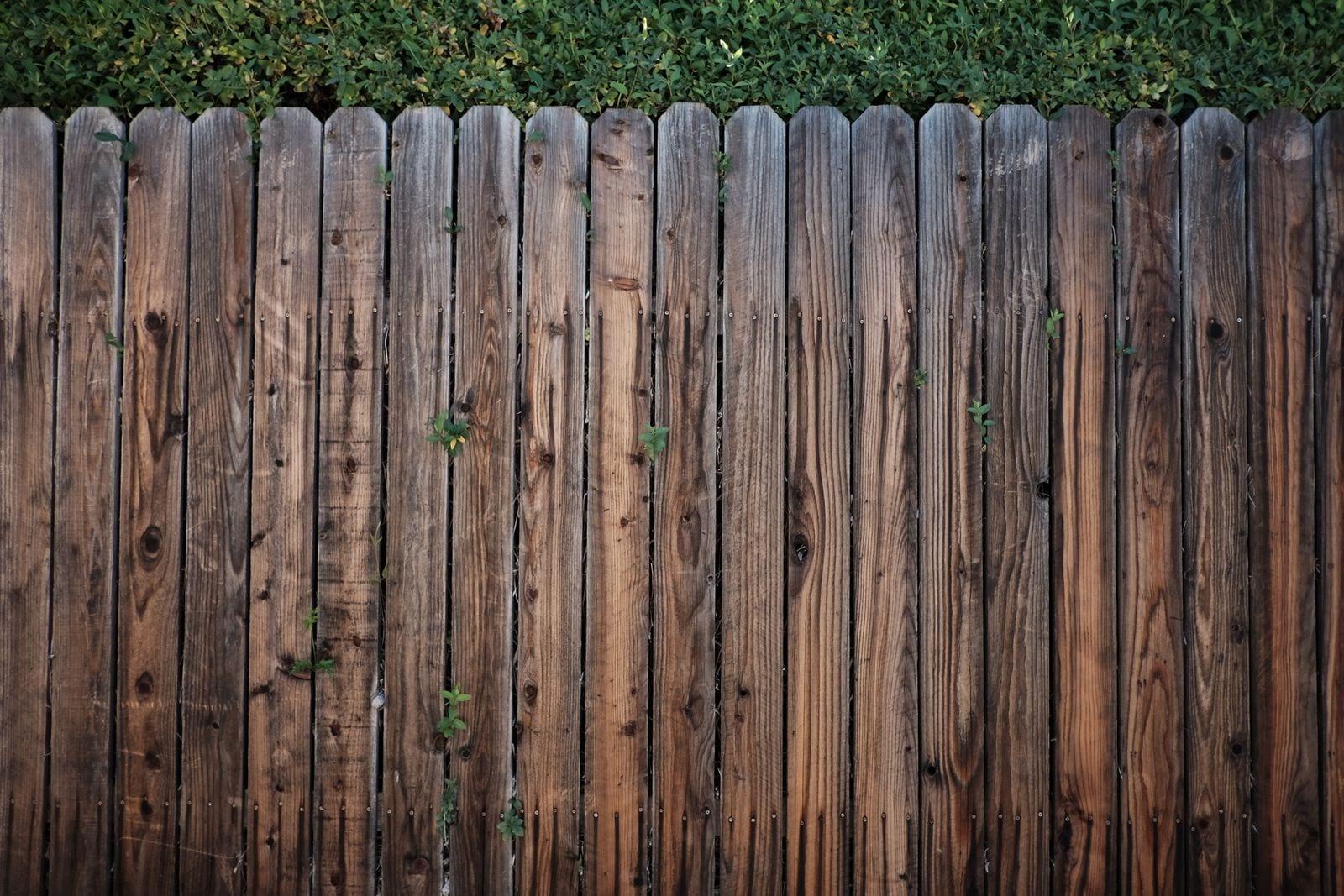
Fencing means setting a line of posts in the ground and fixing panels, boards, rails or mesh between them. The bit that decides whether a fence lasts is the posts: how deep they go, what they're set in, and how straight the line is.
Fences come in many styles, from solid privacy fencing in a garden to open rail fencing on a field edge or tall security fencing around a site.
When do you need new fencing?
- An old fence is leaning, rotten or has blown down.
- You want more privacy, or somewhere safe for children and pets.
- A boundary needs marking after building work or a garden redesign.
- A commercial or public site needs securing or separating.
General guidance for England: you can usually put up a fence, wall or gate without planning permission if it's no more than 1 metre high next to a road used by vehicles (including the pavement beside it), and no more than 2 metres high anywhere else. See how high can my fence be? below for the details and exceptions. Building a wall on or astride a boundary may also involve the Party Wall etc. Act 1996.
What's included
- Taking down and removing the old fence if there is one
- Setting out the line and post positions
- Digging and setting posts
- Fitting panels, boards, rails or mesh
- Gates where needed
- Clearing up when we're done
How we work
We walk the boundary with you, agree where the fence goes and talk about height and style. If the boundary line is in doubt, it's worth agreeing it with your neighbour before work starts. Then we set out a string line, dig and set the posts, and build the fence along it.
Fencing often goes in alongside other outdoor work. If you're also having a new driveway or retaining wall, we can plan the fence line with it.
Domestic and commercial fencing
For homeowners, it's usually about privacy, security and how the garden looks. We'll help you weigh up height, style and upkeep. More on our work for homeowners.
For commercial clients such as industrial sites, housing estates, councils and public parks, fencing may need to secure a site, guide people or separate areas. See our commercial page for how we approach working on live sites.
Frequently asked questions
How high can my fence be?
In England, these are the usual limits for a fence, wall or gate without planning permission:
- Next to a road used by vehicles, or the pavement alongside it: up to 1 metre. This usually means a front garden boundary.
- Anywhere else, such as back and side garden boundaries: up to 2 metres.
- The height is measured from the ground and includes anything fixed on top, such as trellis or a capping rail.
Different rules can apply, and you may need permission even for a lower fence, if:
- your home is a listed building, or the fence is within its grounds
- you live in a conservation area or an area covered by an Article 4 direction
- the planning permission for your home (common on newer estates) removed these rights, or your deeds have a covenant about front fences
- the fence would block drivers' view of the road at a junction or driveway
If you want a fence taller than these limits, you can apply to your local council for planning permission. If you're unsure, check with the council's planning team before we start, and we'll build to whatever height is allowed.
Who owns the fence between me and my neighbour?
Your property deeds may show it, often with a 'T' mark on the plan. If they don't, it's sensible to agree with your neighbour before replacing a shared fence.
Can you replace just a few panels?
Often, yes, if the posts are sound. If the posts have rotted or moved, new panels won't stay straight for long, and we'll tell you so.
Do you fit gates as well?
Yes, gates can be included with a new fence. The 1 m and 2 m height limits above apply to gates too.