What are retaining walls and gabions?
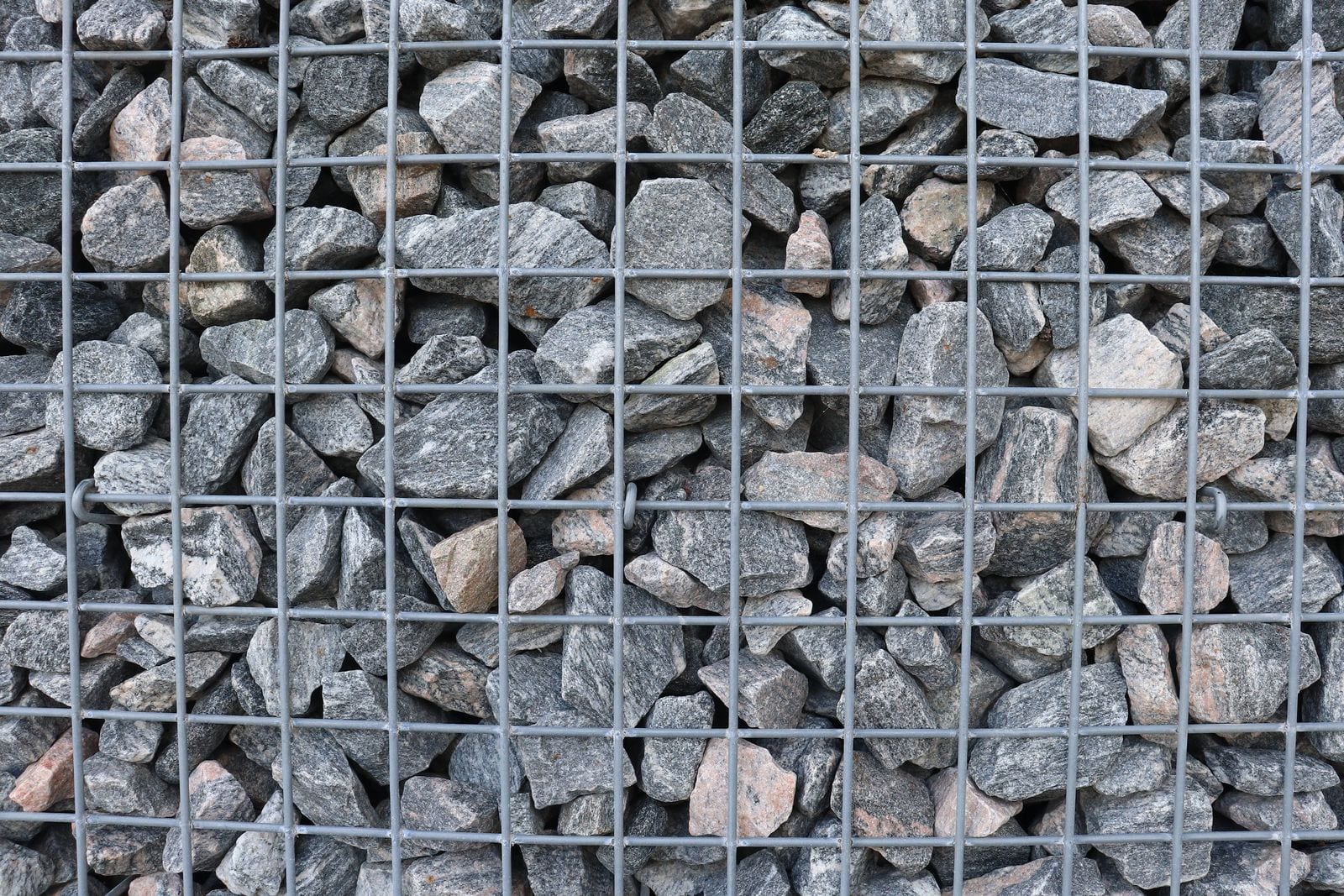
A retaining wall holds back soil where the ground is higher on one side than the other. Without one, a bank can slump, slide or wash away. A gabion is a wire mesh cage filled with stone. Stacked together, gabions make a heavy, free-draining wall that suits banks, slopes and landscaping.
Water pressure behind a wall is a big part of the load it carries, so good drainage behind it matters as much as the wall itself.
When do you need a retaining wall?
- Levelling a sloping garden into terraces
- Cutting into a bank for a driveway, parking or a building
- Holding up a bank that is slipping or eroding
- Edging landscaping, verges and water features on commercial and public sites
General guidance: taller retaining walls, and any wall holding up a driveway, building or slope, should be designed by an engineer. Walls on a boundary may involve the Party Wall etc. Act 1996, and height limits can apply next to roads. Check with your local council.
What's included
- Excavating and preparing a firm, level base
- Building gabion walls: setting out cages, filling with stone and closing them up
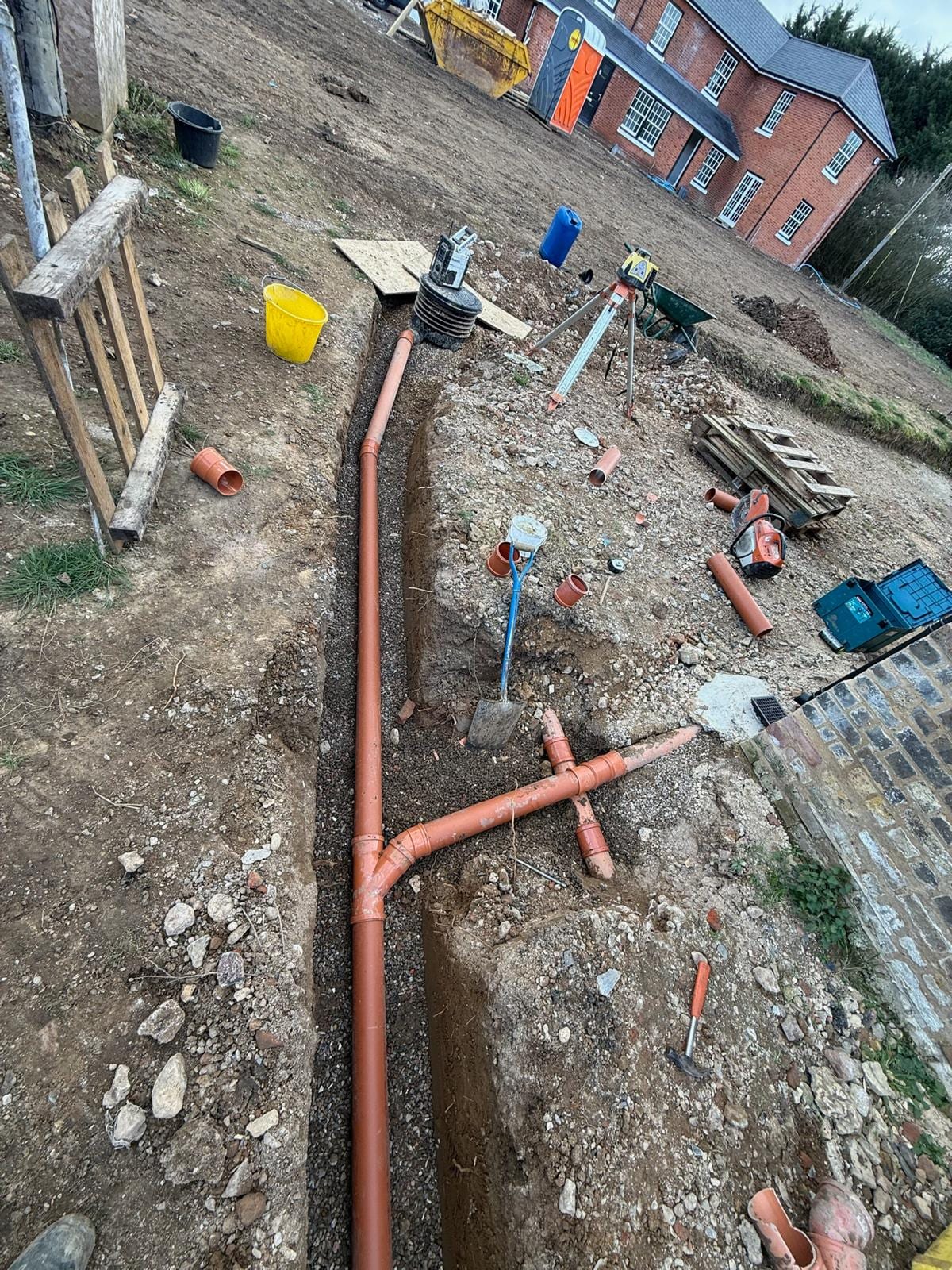
- Drainage behind the wall so water can escape
- Backfilling and compacting behind the wall
How we work
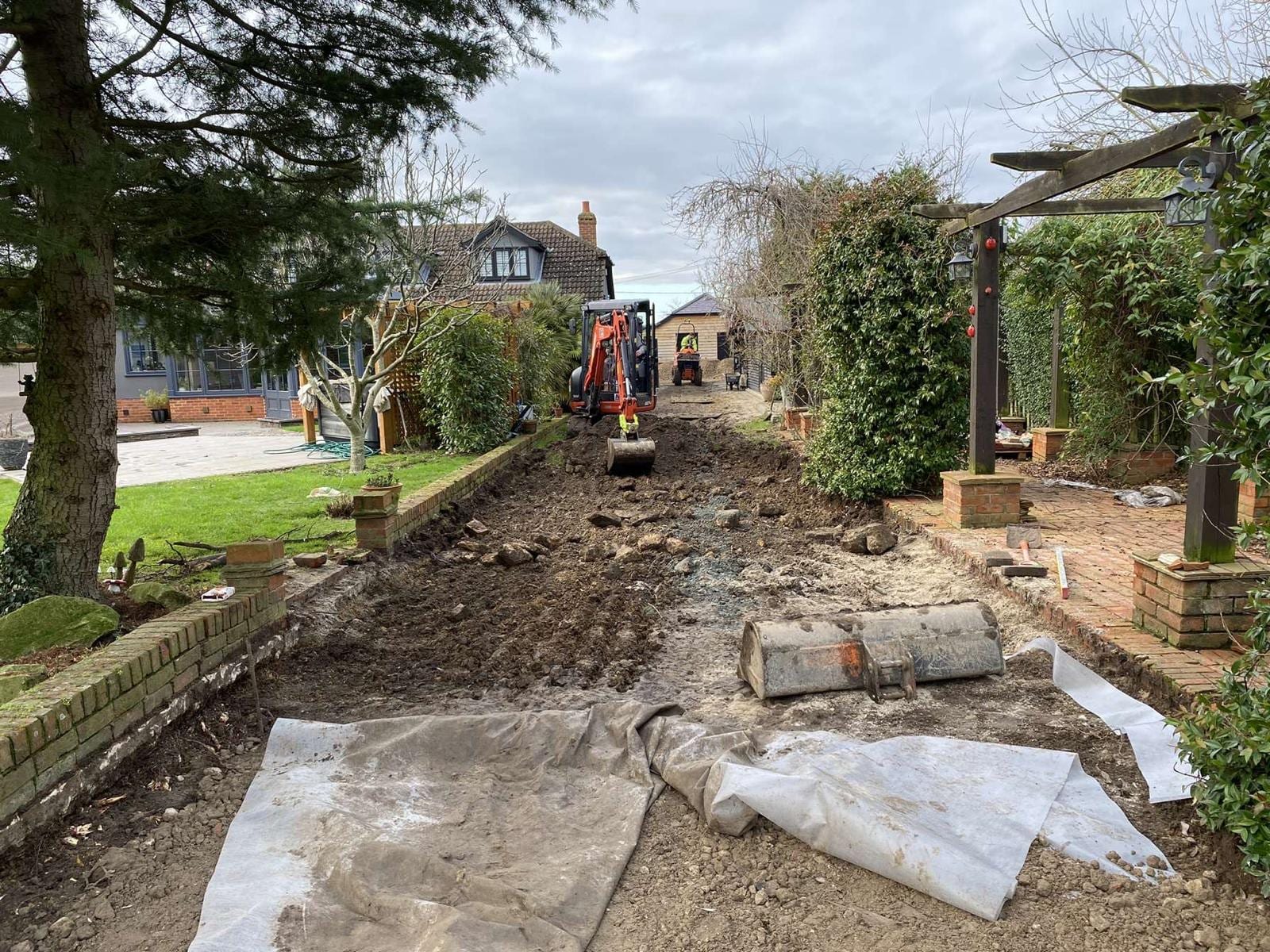
We look at the height of the ground being held, what sits above it, and how water moves through it. Where the wall needs an engineer's design, we build to it. We dig out, form the base, build the wall in courses and backfill as we go, with drainage built in.
A retaining wall often comes with other work, such as site clearance to cut the bank back, or fencing along the top.
Homes and commercial sites
For homeowners, a retaining wall can turn a steep, unusable garden into level space for a lawn or patio. Gabions give a natural stone look that fits most gardens.
For commercial clients, including housing estates, councils and public parks, retaining walls shape landscaping, hold back banks beside roads and paths, and create level platforms for building. See our commercial work.
Frequently asked questions
Does my retaining wall need a structural engineer?
You should get a structural engineer to design the wall if any of these apply:
- it holds back more than about 1 metre of ground (a common rule of thumb)
- there's a driveway, parking space, building, outbuilding or path on the higher side, close to the wall
- it's holding up a steep or unstable slope, or the ground is wet, soft or heavy clay
- it's close to a house or another building's foundations
- it's on a boundary, where a failure could damage a neighbour's property
- it's next to a road or public footpath: a wall within 3.66 metres of the street that holds back more than 1.37 metres needs approval from the highway authority under the Highways Act 1980
A low garden wall holding back a small change in level, such as a raised bed or a single step in the lawn, usually doesn't need one. If you're not sure, ask us when we visit: we'll tell you if we think the wall needs an engineer, and where it does, we build to the engineer's design.
Why do retaining walls fail?
Most often because water builds up behind them with nowhere to go, or the base wasn't firm enough. Drainage and a solid base are the two things we never skip.
Are gabion walls a good choice for gardens?
They can be. Gabions are free-draining, flexible enough to cope with small ground movement, and the stone fill can be chosen to suit the look you want.
Can a retaining wall go on a boundary?
It can, but talk to your neighbour first. If the wall is on or near the boundary, the Party Wall etc. Act 1996 may apply, and height rules can also come into play next to a road.