What does road building and surfacing involve?
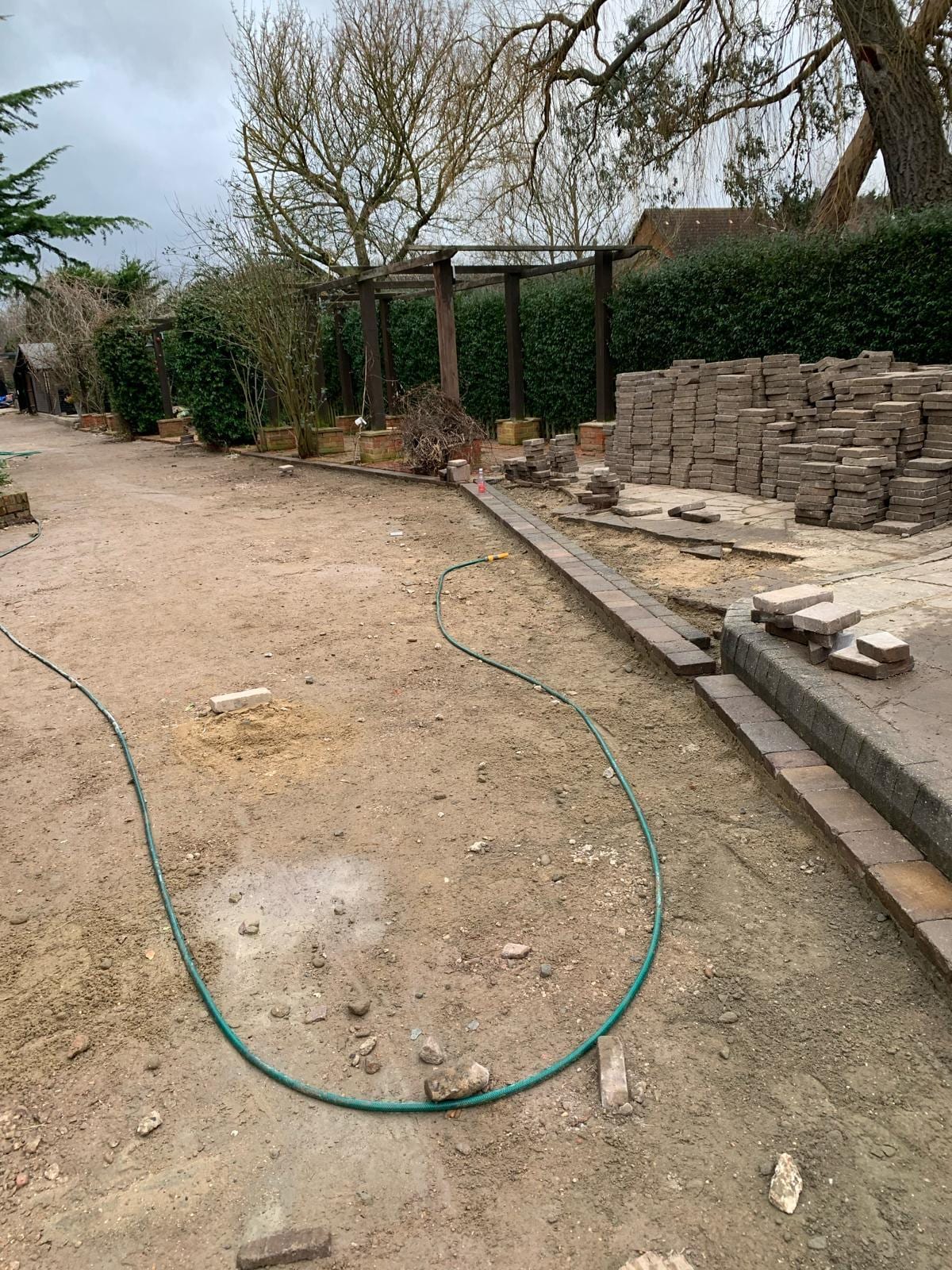
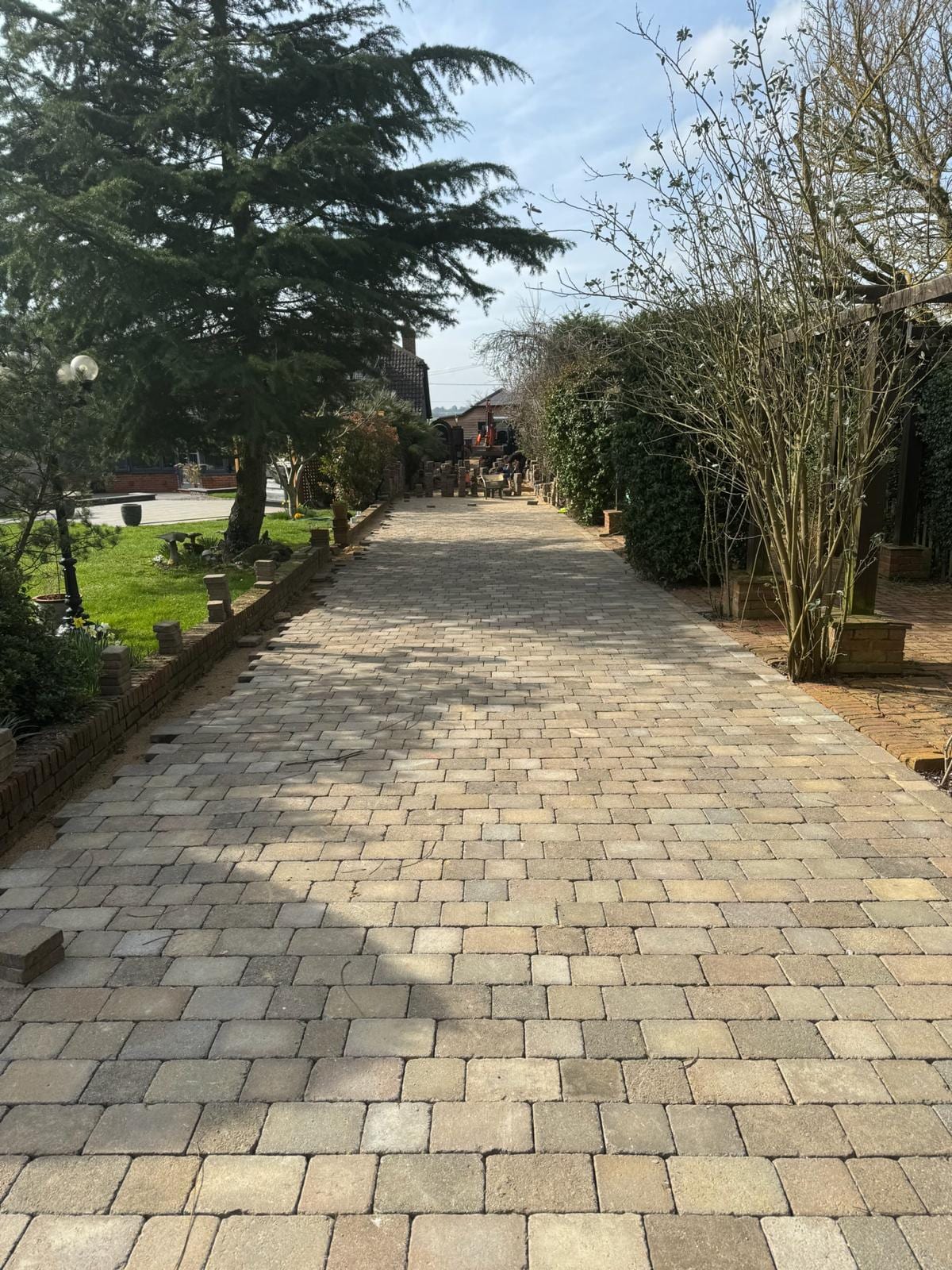
A road is built in layers. At the bottom is the formation: the ground dug and trimmed to level. On that goes a compacted sub-base of crushed stone, then one or more layers of tarmac (asphalt), finished with a smooth wearing course on top. Kerbs hold the edges, and drainage takes the water away.
Surfacing can also mean resurfacing: taking off a worn top layer and laying a new one where the base below is still sound.
When do you need roads and surfacing?
- New access roads on housing and commercial developments
- Service roads and yards on industrial sites
- Access routes and parking on public and council land
- Worn, potholed or cracked tarmac that needs replacing
What's included
- Excavating and preparing the formation
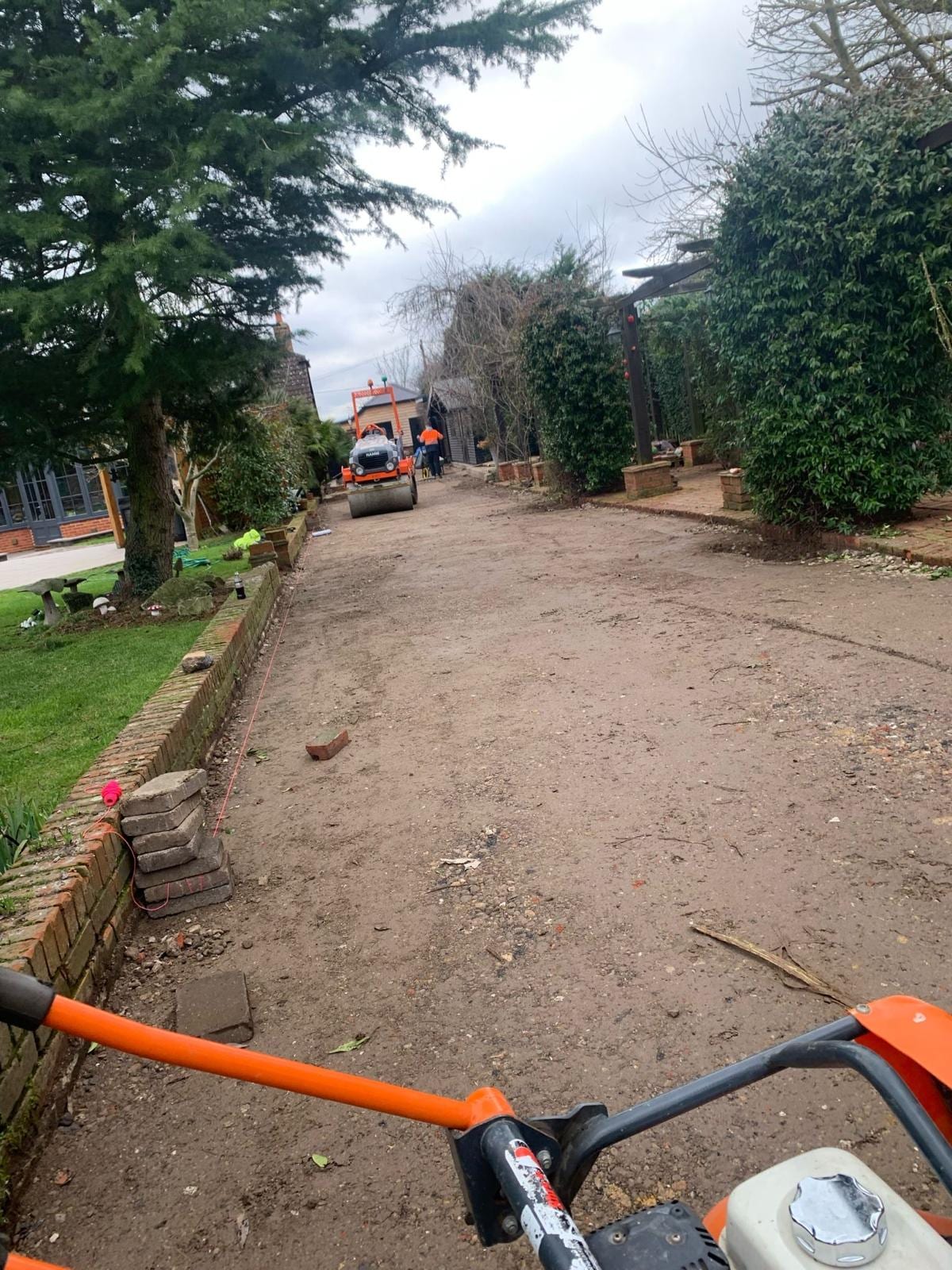
- Laying and compacting the sub-base
- Kerbing and edging
- Tarmac surfacing in layers
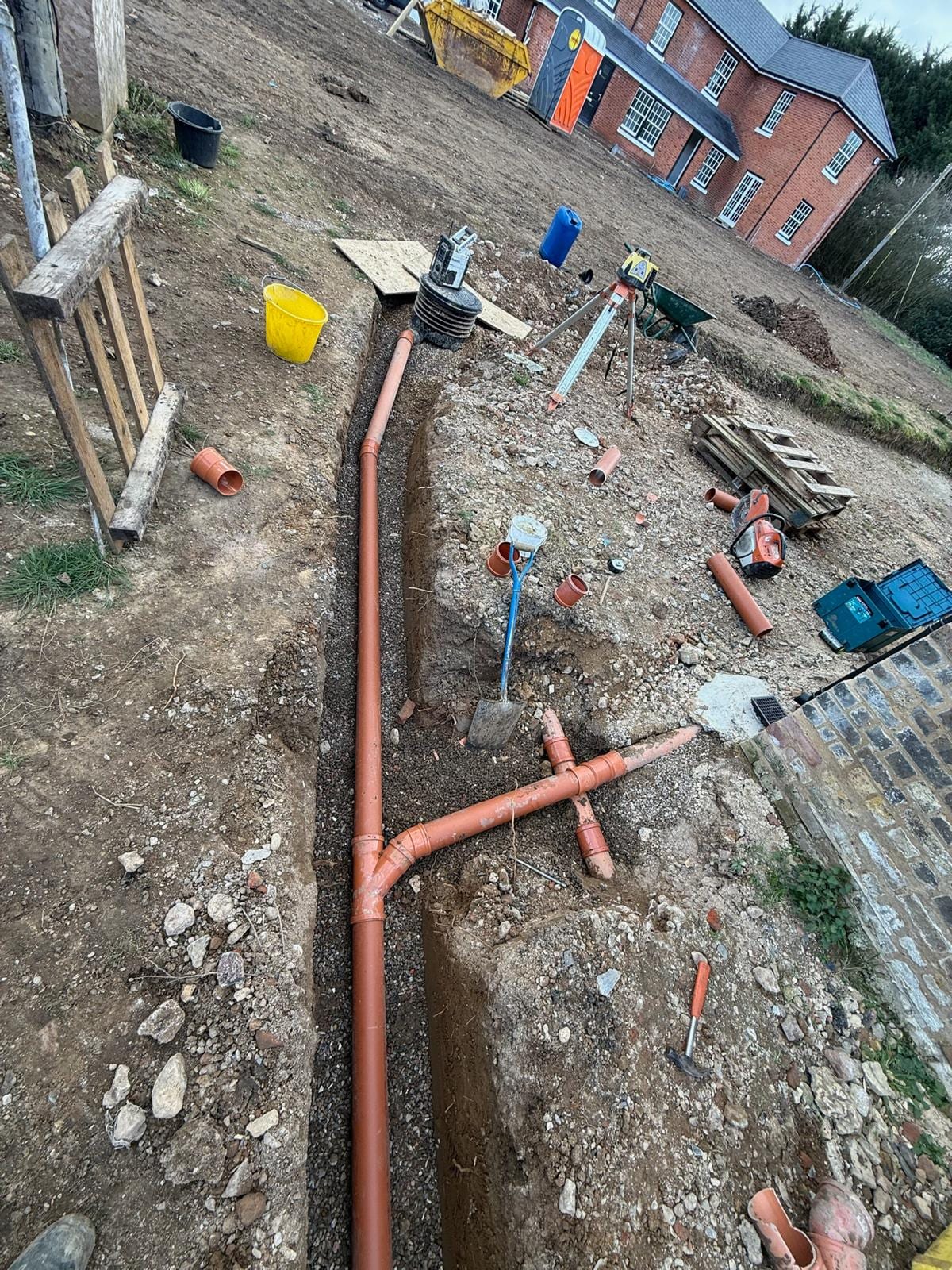
- Gullies and drainage tied into the road
Roads that a council will take over (adopt) are built to the highway authority's specification and inspected as they go. Check with the local highway authority early if adoption is planned.
How we work
We work from your road drawings and levels. Each layer is laid and compacted before the next goes on, because a road is only as strong as its weakest layer. We plan access and traffic management around the people still using the site, and keep the work area safe and tidy.
Roads bring several of our services together: site clearance, kerbing and drainage.
For commercial clients and homeowners
Commercial clients: housing estates, industrial sites, hospitals, airports and councils all need access routes that stay open and safe. See how we approach commercial work and the areas we cover.
Homeowners: for a tarmac drive at home, see our driveways page. For a longer private lane or shared access road, we're happy to talk it through.
Frequently asked questions
What's the difference between a road and a driveway?
Mostly the loads. Roads carry more and heavier vehicles, so they need a deeper base, more tarmac layers and proper drainage and kerbs.
Can you resurface over existing tarmac?
Sometimes. If the base is sound and the problems are only on the surface, a new top layer may be enough. If the road is breaking up from below, it needs digging out.
Why do potholes form?
Water gets into cracks, freezes and expands, and traffic breaks the weakened surface. Good drainage and a strong base slow this down a lot.
Can you work while a site stays open?
Yes. On live sites we plan the work in phases, keep safe routes open for people and vehicles, and agree working areas with the site team before we start.
What makes a road last?
A firm, well-drained base, each layer compacted properly, and water taken off the surface quickly by kerbs and gullies. Most early failures come from shortcuts underneath, not from the tarmac itself.